
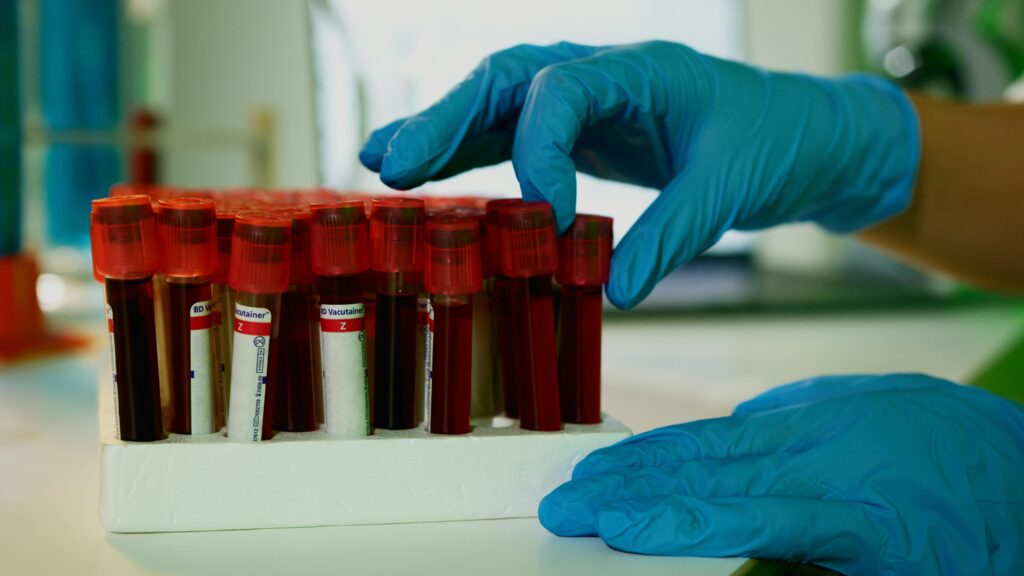
A stool test is often one of the simplest ways to screen for digestive problems. But receiving a positive faecal occult blood test result can feel worrying if you are unsure what it actually means. The good news is that this result does not automatically mean cancer. It simply indicates that small amounts of blood were detected in the stool, and further evaluation may be recommended to understand the cause.
Key Takeaways
- A positive faecal occult blood test means blood has been detected in the stool that may not be visible to the naked eye.
- The presence of blood does not always indicate colorectal cancer; several benign conditions may also cause it.
- Additional tests such as colonoscopy may be recommended to determine the source of bleeding.
- Early evaluation helps identify digestive conditions at an earlier stage when they can be managed more effectively.
What Is a Faecal Occult Blood Test?
A faecal occult blood test (FOBT) is a simple screening test used to detect hidden blood in the stool. This test is commonly used in colorectal cancer screening programmes. The test works by analysing a small stool sample to detect microscopic traces of blood that may not be visible.
Doctors may recommend the test for,
- Routine colorectal cancer screening
- Individuals with digestive symptoms
- Monitoring certain gastrointestinal conditions
- Patients with unexplained anaemia
Because the bleeding can be intermittent and not always visible, this test helps detect changes early.
What Does a Positive Faecal Occult Blood Test Mean?
A positive faecal occult blood test result means that the laboratory has detected blood in the stool sample. However, the result does not diagnose a specific condition. Instead, it indicates that further evaluation may be necessary.
Blood in the stool may originate from any part of the digestive tract, including,
- The colon
- The rectum
- The stomach
- The small intestine
In many cases, the cause may be minor or treatable. However, because blood in the stool can sometimes be linked to more serious conditions, doctors may recommend additional tests to identify the source.
What Conditions Can Cause a Positive Result?
There are several possible reasons for a positive faecal occult blood test, including both common and less common conditions. Possible causes include,
- Haemorrhoids (piles)- Swollen veins in the rectum or anus that may bleed during bowel movements.
- Anal fissures- Small tears in the lining of the anus that can cause bleeding.
- Colorectal polyps- Growths in the colon that may sometimes bleed.
- Inflammatory bowel disease (IBD)- Conditions such as Crohn’s disease or ulcerative colitis may cause intestinal bleeding.
- Diverticular disease- Small pouches in the colon wall that can occasionally bleed.
- Colorectal cancer- In some cases, bleeding may be linked to colorectal cancer, which is why follow-up evaluation is important.
It is important to note that diet, medications, or minor gastrointestinal irritation may also influence test results in certain situations.
What Tests Might Be Recommended Next?
If a positive faecal occult blood test is detected, your doctor may recommend further investigation to locate the source of bleeding. Common follow-up tests can be,
- Colonoscopy – allows direct examination of the colon and rectum using a flexible camera
- Upper gastrointestinal endoscopy – if bleeding from the upper digestive tract is suspected
- Repeat stool testing in certain situations
- Blood tests to check for anaemia or inflammation
These investigations help determine whether the bleeding is caused by a benign condition or something that requires treatment.
Frequently Asked Questions
- Does a positive faecal occult blood test mean cancer?
No. A positive faecal occult blood test only indicates that blood is present in the stool. Many non-cancerous conditions, such as haemorrhoids or polyps, can also cause a positive result.
- Should I be worried if my stool test is positive?
A positive result simply means that further evaluation may be recommended. Many people who undergo follow-up testing do not have serious conditions.
- What symptoms might appear with bleeding in the digestive tract?
Some people may experience symptoms such as,
- Changes in bowel habits
- Abdominal discomfort
- Unexplained fatigue
- Visible blood in the stool
However, many individuals with a positive faecal occult blood test may have no symptoms at all.
- What should I do after receiving a positive faecal occult blood test result?
It is advisable to consult a doctor for further assessment. Additional tests may help identify the cause of the bleeding and determine whether treatment is necessary.
When Should You Consider Seeing a Doctor?
If you have received a positive faecal occult blood test, seeking medical advice can help clarify the cause and guide the next steps. At the Clinic for Digestive Surgery in Singapore, our doctors Dr Foo Chek Siang and Dr Tan Bo Chuan provide assessment and management of digestive conditions, including colorectal screening and investigations for gastrointestinal bleeding.
If you have concerns about a positive faecal occult blood test or symptoms affecting your digestive health, arranging a consultation can help you better understand your condition and the options available for further evaluation.