Fatty liver disease is increasingly common, especially with modern lifestyles. The good news is that in many cases, it can be managed and even improved when identified early and addressed with the right approach. If you are exploring fatty liver treatments, understanding your options is the first step towards better liver health.
Key Takeaways
- Fatty liver disease can often be improved with early diagnosis and consistent care
- Lifestyle changes play a central role in managing the condition
- Medical evaluation helps identify the severity and guide appropriate treatment
- A personalised care plan offers better long-term liver health outcomes
What Is Fatty Liver Disease and Why Does It Happen?
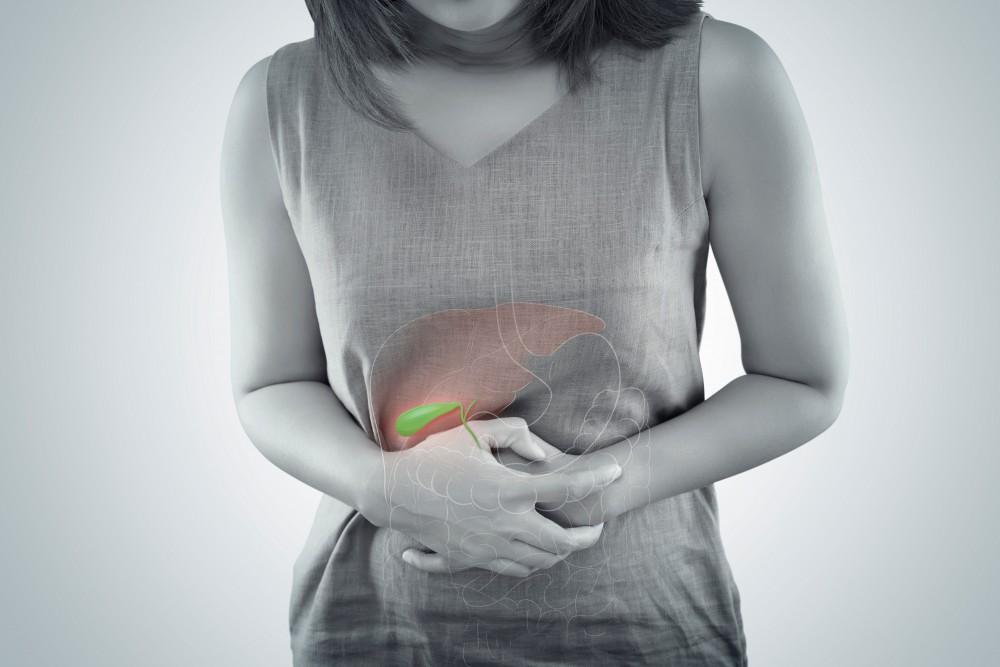
Fatty liver disease occurs when excess fat builds up in liver cells. It is commonly linked to,
- Sedentary lifestyle
- High-calorie or high-sugar diets
- Obesity or being overweight
- Diabetes or insulin resistance
- Elevated cholesterol levels
These risk factors are increasingly seen due to urban lifestyles, making awareness and early intervention important.
Can Fatty Liver Disease Really Be Reversed?
In many individuals, especially in the early stages, fatty liver disease can be improved. The liver has a natural ability to repair itself when the underlying causes are addressed. However, outcomes can vary depending on,
- The stage of the condition
- Presence of inflammation or scarring
- Overall health and existing medical conditions
This is why timely evaluation is important when considering such treatments.
What Lifestyle Changes Help Improve Fatty Liver?
Lifestyle adjustments are often the foundation of managing fatty liver disease. These may include,
Dietary Changes
- Reducing intake of processed and sugary foods
- Including more vegetables, fruits, and whole grains
- Choosing lean protein sources
- Limiting alcohol consumption
Physical Activity
- Engaging in regular moderate exercise (e.g., brisk walking)
- Aiming for consistent weekly activity rather than occasional workouts
Weight Management
- Gradual and sustainable weight loss if overweight
- Avoiding extreme or rapid dieting
Metabolic Health
- Managing blood sugar levels
- Monitoring cholesterol and blood pressure
These steps can support liver function and reduce fat accumulation over time.
What Medical Treatments Are Available for Fatty Liver?
While lifestyle changes are key, medical care ensures proper monitoring and management. A doctor may recommend,
- Blood tests to assess liver function
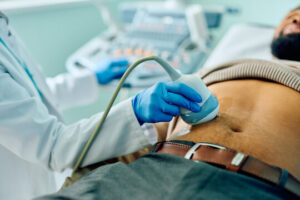
- Imaging studies such as ultrasound
- Monitoring for progression or complications
- Guidance on managing related conditions like diabetes
Treatment is usually tailored based on individual needs, rather than a one-size-fits-all approach.
Frequently Asked Questions
Is fatty liver disease always serious?
Not always. Many people have mild forms that can be managed effectively, especially when detected early.
How long does it take to improve fatty liver?
Improvement varies between individuals and depends on consistency with lifestyle changes and medical guidance.
Can fatty liver occur in people who are not overweight?
Yes, it can also occur in individuals with normal weight, especially if there are metabolic risk factors.
Do I need medication for fatty liver disease?
Not everyone requires medication. Management often focuses on lifestyle changes, but a doctor will assess your specific condition.
Take the Next Step Towards Better Liver Health
If you are concerned about fatty liver disease or exploring fatty liver treatments in Singapore, seeking professional advice can help you better understand your condition and options.
At the Clinic for Digestive Surgery, care is guided by our team of doctors with a thorough assessment of your liver health and overall well-being. A consultation can provide clarity on your diagnosis and the steps suitable for you. Consider booking a consultation at the Clinic for Digestive Surgery to discuss your concerns and take an informed step towards managing your liver health.