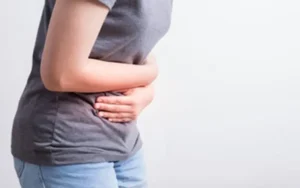

A sudden ache after lifting something heavy can be easy to dismiss as a pulled muscle. But what if the discomfort is not coming from a muscle at all?
A hernia can cause pain, pressure or a pulling sensation that may feel surprisingly similar to a muscle strain, particularly around the abdomen or groin. Knowing the difference can help you decide when it is worth getting the pain assessed.
Key Takeaways
- A hernia can sometimes feel like a pulled muscle, especially when pain worsens with movement, coughing or lifting.
- A noticeable lump is common, but not every hernia is immediately obvious.
- Persistent or worsening pain should not simply be treated as a muscle strain without assessment.
- An untreated painful hernia may become more complicated if abdominal tissue becomes trapped.
- A medical assessment can help determine whether the pain is muscular or related to a hernia.
Why Can A Hernia Feel Like A Pulled Muscle?
A hernia occurs when tissue pushes through a weakened area in the surrounding muscle or connective tissue. Depending on where it develops, it can cause discomfort that feels like a strain, particularly during physical activity.
You might notice,
- A dull ache or pulling sensation
- Pressure around the abdomen or groin
- Pain when lifting, coughing or sneezing
- Discomfort after prolonged standing
- A swelling or lump that becomes more noticeable when straining
- Pain that improves when lying down or resting
This is one reason a hernia can be easy to overlook. The discomfort may initially seem like something that will settle after a few days of rest.
Could The Pain Really Be A Muscle Strain Instead?
Yes. Muscle strains are common and can also cause localised pain, tenderness and discomfort with movement. The challenge is that the symptoms can overlap. There are a few clues that may make a hernia more likely,
- The pain appears with coughing, sneezing or straining.
- You notice a bulge that becomes more prominent when standing or exerting yourself.
- The discomfort repeatedly returns after physical activity.
- Rest helps temporarily, but the same sensation keeps coming back.
- The pain centres on the groin, the abdominal wall, or another area where hernias commonly occur.
However, these signs do not confirm a hernia. Other conditions can cause similar symptoms, so an examination is important if the discomfort persists or keeps returning.
What Happens If You Ignore A Painful Hernia?
A small hernia may not always cause significant symptoms. However, people should not assume an untreated painful hernia is merely a muscle problem.
In some cases, tissue can become trapped within the hernia. We call this incarceration. If the blood supply to the trapped tissue becomes compromised, it can become a medical emergency.
You should consider seeking urgent medical attention if a previously manageable hernia is accompanied by,
- Sudden or severe worsening of pain
- A bulge that becomes firm or very tender
- We cannot push the swelling back in.
- Nausea or vomiting
- Abdominal bloating
- Difficulty passing stools or gas
- Fever or feeling significantly unwell
These symptoms need prompt medical assessment rather than continued self-treatment as a muscle strain.
Can You Have A Hernia Without An Obvious Lump?
Yes. While a bulge is a familiar sign of many hernias, it may not always be obvious, particularly in the early stages or depending on the type and location of the hernia. This is why the absence of a visible lump does not necessarily rule one out.
A doctor may assess,
- Where the pain is located
- When the discomfort occurs
- Whether coughing or straining makes it worse
- Whether there is a swelling or weakness in the abdominal wall
- Your medical and surgical history
We may sometimes consider further tests depending on the findings.
What Should You Do If Your “Pulled Muscle” Keeps Coming Back?
If the discomfort has not settled as expected, it recurs with activity, or you notice a bulge or pressure sensation, you should have the cause checked. Instead of repeatedly resting the area and assuming it is a strain, consider whether there could be another explanation. Identifying the source of the pain can help determine what management may be appropriate.
Frequently Asked Questions
- Can a hernia cause pain without a lump?
Yes. Some hernias may not produce an obvious external bulge. Pain, pressure or discomfort can sometimes be the main symptom. - How can I tell a hernia from a pulled muscle?
There is no reliable way to tell based on symptoms alone. Pain that accompanies coughing, straining, or lifting—especially with a recurring bulge—can indicate a hernia; seek a medical assessment. - Can exercise make a hernia worse?
Activities that increase pressure within the abdomen, such as heavy lifting or straining, may make hernia symptoms more noticeable. If exercise repeatedly triggers pain or swelling, seek medical advice rather than continuing through the discomfort. - Is an untreated painful hernia dangerous?
If tissue becomes trapped, it may lose its blood supply and cause serious complications. Seek urgent medical attention if you have severe or rapidly worsening pain, vomiting, or a painful bulge you cannot push back in. - Should I see a doctor if I think I have a hernia?
See a doctor if the pain persists, returns, or you notice a swelling or bulge. A doctor can assess the symptoms and determine whether further evaluation is appropriate.
Could your “pulled muscle” be something else?
Persistent pain deserves attention, especially when it happens with lifting, coughing, straining, or noticeable swelling. Do not assume that persistent abdominal or groin discomfort is simply a muscle strain.
For patients in Singapore, Clinic for Digestive Surgery provides consultation for digestive and surgical concerns. If you are experiencing persistent pain or suspect that you may have a hernia, book a consultation with our team of doctors for an appropriate assessment and advice based on your symptoms.