
Key Pointers
- The hepatobiliary system includes the liver, gallbladder, and bile ducts, which are essential for digestion and detoxification.
- Symptoms such as abdominal pain, jaundice, nausea, or dark urine may point to liver or bile duct problems.
- Early detection through clinical evaluation and tests can prevent complications.
- Causes include gallstones, bile duct obstruction, hepatitis, and fatty liver disease.
- Persistent or worsening symptoms should prompt a visit to a gastro specialist.
What Are Hepatobiliary Disorders?
“Hepatobiliary” refers to the organs involved in bile production and transport, the liver, gallbladder, and bile ducts. Together, they help process fats and remove waste products from the body.
When something affects this system, bile flow may become blocked, or the liver may become inflamed. This can lead to noticeable digestive and systemic symptoms. Recognising early warning signs can make a significant difference in treatment outcomes.
1. Abdominal Pain (Especially on the Right Side)
Pain in the right upper abdomen, just below the ribs, is a common symptom of hepatobiliary disorders. It may feel dull, cramping, or sharp, and can sometimes radiate to the back or shoulder blade. This type of pain is often associated with gallstones, gallbladder inflammation (cholecystitis), or liver enlargement due to infection or fatty liver disease. Seek medical advice if the pain is severe, persistent, or occurs after eating fatty meals.
2. Yellowing of the Skin or Eyes (Jaundice)
Jaundice occurs when bilirubin, a yellow pigment produced during the breakdown of red blood cells, builds up in the body. It is one of the most recognisable signs of liver or bile duct problems. Jaundice may result from hepatitis, bile duct obstruction, or gallstones blocking bile flow. It’s often accompanied by other changes, such as dark urine or pale stools.
3. Dark Urine and Clay-Coloured Stools
Changes in urine and stool colour can provide important clues about liver and bile duct health. Dark urine and light or clay-coloured stools suggest that bile is not reaching the intestines properly. This symptom is often linked to bile duct blockage, hepatitis, or gallbladder inflammation, and should always be evaluated by a doctor.
4. Persistent Nausea and Loss of Appetite
Nausea, vomiting, or a general loss of appetite can occur when the liver’s ability to process toxins and fats is impaired. These symptoms may appear gradually and are sometimes mistaken for simple indigestion. If nausea is accompanied by jaundice, fatigue, or right-sided abdominal pain, a hepatobiliary cause should be considered.
5. Bloating or a Feeling of Fullness
People with liver or gallbladder issues often report a sensation of heaviness or bloating, particularly after eating fatty or fried foods. This happens when bile production or flow is disrupted, making fat digestion more difficult. Persistent bloating that doesn’t improve with diet adjustments may be an early warning sign of a hepatobiliary problem.
6. Fever and Chills
Fever, especially when paired with abdominal pain or jaundice, can indicate an infection such as cholangitis (infection of the bile ducts) or cholecystitis (infection of the gallbladder). These infections require prompt medical attention, as they can spread quickly and cause serious complications if left untreated.
7. Fatigue and General Weakness
The liver plays a vital role in energy metabolism. When it is inflamed or under stress, toxins may build up in the bloodstream, leading to fatigue, weakness, and difficulty concentrating. Chronic tiredness, especially with other digestive or jaundice-related symptoms, should not be ignored.
When Should You See a Doctor?
You should seek medical care if you experience:
- Yellowing of the eyes or skin
- Persistent right-sided abdominal pain
- Nausea, vomiting, or unexplained weight loss
- Dark urine or light stools
- Fever or chills
These symptoms may signal hepatitis, bile duct blockage, or gallbladder disease, conditions that require medical evaluation and testing.
How Doctors Diagnose Hepatobiliary Disorders
Evaluation usually begins with a detailed symptom review and physical examination. Diagnostic tools may include:
- Liver function tests (LFTs): to check enzyme levels and detect inflammation.
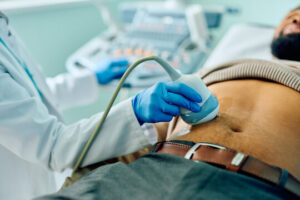
- Ultrasound scan: to identify gallstones, bile duct dilation, or liver enlargement.
- CT or MRI scans: for detailed imaging of the liver and biliary system.
- Endoscopic or surgical procedures: such as ERCP to treat bile duct blockages.
FAQs About Hepatobiliary Disorders
1. What causes hepatobiliary disorders? Common causes include gallstones, viral hepatitis, fatty liver disease, alcohol-related liver injury, or bile duct obstruction.
2. Are hepatobiliary diseases curable? Some conditions, such as gallstones or infections, can be treated effectively once diagnosed early. Others, like chronic liver disease, can be managed with long-term care.
3. How can I tell if jaundice is serious? Jaundice accompanied by abdominal pain, fever, or fatigue may indicate a serious liver or bile duct condition and should be checked promptly.
4. Can diet affect hepatobiliary health? Yes. Diets high in fat or processed foods may worsen symptoms. A balanced diet rich in fruits, vegetables, and lean proteins supports liver health.
5. What tests are done to check liver function? Doctors often order liver function tests, imaging scans, and sometimes gastroscopy or ERCP to assess the bile ducts and liver structures.
When Abdominal Pain or Jaundice Shouldn’t Be Ignored
Hepatobiliary symptoms often start subtly, but ignoring them can delay diagnosis and treatment. Early evaluation helps identify the cause and guide appropriate care.
Learn More About Your Liver and Gallbladder Health
At the Clinic for Digestive Surgery, patients can receive assessment and management for hepatobiliary conditions, including gallbladder infections, bile duct obstruction, and liver-related disorders. Diagnostic tools such as ultrasound, ERCP, or liver function tests may be used to support diagnosis and treatment planning.
Locations:
- Mount Elizabeth Novena Specialist Centre
- Mount Alvernia Hospital
Contact: +65 6570 2702 | [email protected]
Notice Yellowing Skin or Persistent Upper Abdominal Pain? Don’t Wait.
Book a Consultation to have your liver and gallbladder health evaluated by our doctors.