
Key Pointers
- Overeating during festive periods can trigger indigestion, bloating, and acid reflux.
- Rich, fatty, and late-night meals may irritate the stomach lining and worsen gastritis.
- Post-holiday gastric discomfort often improves with dietary and lifestyle adjustments.
- Persistent symptoms should not be ignored, especially if pain or nausea continues.
- A gastroenterologist can help assess ongoing symptoms and recommend appropriate care.
Why Do Stomach Problems Flare Up After the Holidays?
Festive seasons often come with heavier meals, richer foods, alcohol, and irregular eating times. While these are part of celebrations, they can overwhelm the digestive system.
Large portions and high-fat foods slow stomach emptying and increase acid production. Combined with late-night suppers and less physical activity, this can lead to indigestion, acid reflux, bloating, or gastritis once the festivities are over.
What Are Common Post-Holiday Gastric Symptoms?
After weeks of indulgence, many people notice changes in their digestion, including:
- Upper abdominal discomfort or burning
- Frequent bloating or a feeling of fullness
- Acid reflux or sour taste in the mouth
- Nausea, especially after meals
- Increased burping or gas
These symptoms are usually temporary but may signal an underlying issue if they persist.
Is It Indigestion, Acid Reflux, or Gastritis?
Post-holiday stomach discomfort can stem from different conditions:
- Indigestion (Dyspepsia): General upper abdominal discomfort, bloating, or nausea after eating.
- Acid Reflux (GERD): Burning sensation in the chest or throat, often worse when lying down.
- Gastritis: Inflammation of the stomach lining, which may cause pain, nausea, or vomiting.
Because symptoms overlap, medical assessment may be needed if discomfort does not settle.
How Can I Reset My Gastric Health After Festive Eating?
The stomach often recovers with simple, consistent habits. Consider these steps:
- Return to regular meal timings and avoid skipping meals.
- Choose lighter, less oily foods for a few weeks.
- Limit alcohol, coffee, and spicy foods.
- Eat smaller portions and chew slowly.
- Avoid lying down immediately after meals.
- Stay hydrated and include gentle physical activity, such as walking.
These measures support healing of the stomach lining and reduce excess acid production.
When Should I See a Doctor About Ongoing Gastric Discomfort?
While mild symptoms often improve, you should seek medical advice if you experience:
- Persistent stomach pain lasting more than two weeks
- Frequent acid reflux or vomiting
- Unexplained weight loss or poor appetite
- Black stools or vomiting blood
- Symptoms that interfere with sleep or daily activities
These may indicate conditions such as ongoing gastritis, reflux disease, or peptic ulcers, which require proper evaluation.
How Do Doctors Assess Post-Holiday Gastric Issues?
Assessment usually begins with a review of symptoms, diet, and medical history. Depending on findings, doctors may recommend:
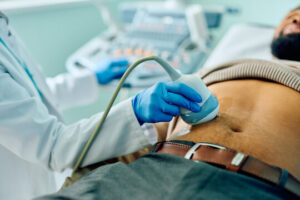
- Gastroscopy to examine the stomach lining and oesophagus
- H. pylori testing, as this infection can worsen gastritis
- Blood tests or imaging if other causes are suspected
This helps guide treatment planning and symptom management.
FAQs About Gastric Health After the Holidays
1. Is stomach pain after festive eating normal?
Mild discomfort can occur after overeating, but persistent pain should be checked.
2. How long does it take for the stomach to recover?
Many people improve within days to weeks with dietary changes, but recovery depends on the underlying cause.
3. Can festive eating cause gastritis?
Yes. Alcohol, fatty foods, and irregular meals can irritate the stomach lining and trigger gastritis.
4. Are antacids enough to manage post-holiday symptoms?
They may relieve mild symptoms temporarily but do not address underlying causes if symptoms persist.
5. When should I see a gastroenterologist?
If symptoms are ongoing, worsening, or associated with red-flag signs such as bleeding or weight loss.
Give Your Stomach a Proper Reset This New Year
Festive indulgence doesn’t have to lead to long-term discomfort. Early attention to lingering symptoms can help prevent complications and support better digestive health.
Start the New Year With Better Digestive Health
At the Clinic for Digestive Surgery, patients can receive evaluation and management for indigestion, acid reflux, gastritis, and other gastric concerns. Diagnostic procedures such as gastroscopy may be recommended when needed to guide treatment.
Locations:
- Mount Elizabeth Novena Specialist Centre
- Mount Alvernia Hospital
Contact: +65 6570 2702 | [email protected]
Still Feeling Bloated or Uncomfortable After the Holidays?
Book a Consultation to have your symptoms assessed and start the year with better gastric health.