
Is It Normal to Feel Pain When Coughing, Walking or Getting Out of Bed After Hernia Surgery?
Experiencing pain after hernia surgery? Learn what’s normal during recovery, warning signs to watch for, and when to seek medical advice. Read our blog.
Experiencing pain after hernia surgery? Learn what’s normal during recovery, warning signs to watch for, and when to seek medical advice. Read our blog.

A PEG feeding tube can sometimes be temporary. If a person’s ability to swallow and eat safely improves, their nutritional needs and tube feeding requirements may change too. However, being able to eat a little does not always mean the tube can be stopped immediately as the decision depends on their overall intake, swallowing safety and medical condition.
Does Needing a PEG Tube Mean You’ll Have to Use It Permanently? Read More »
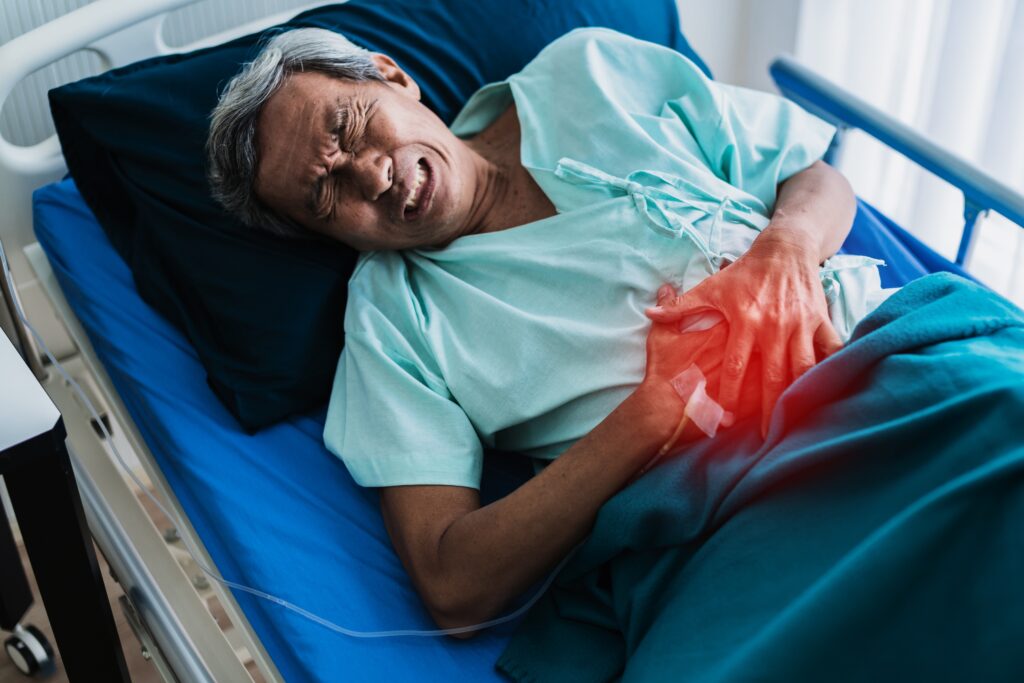
Some people notice temporary changes such as looser stools, bloating or difficulty tolerating fatty meals after surgery. Many eventually return to a normal, balanced diet, although everyone’s experience can be different.Learn what signs may point towards a hernia, why persistent pain should not be ignored, and when it may need medical attention.

A hernia can sometimes cause a pulling sensation, ache or pressure that feels surprisingly similar to a muscle strain. You may even have a hernia without noticing an obvious lump.
Learn what signs may point towards a hernia, why persistent pain should not be ignored, and when it may need medical attention.
Could That “Pulled Muscle” Feeling Actually Be Coming from a Hernia? Read More »
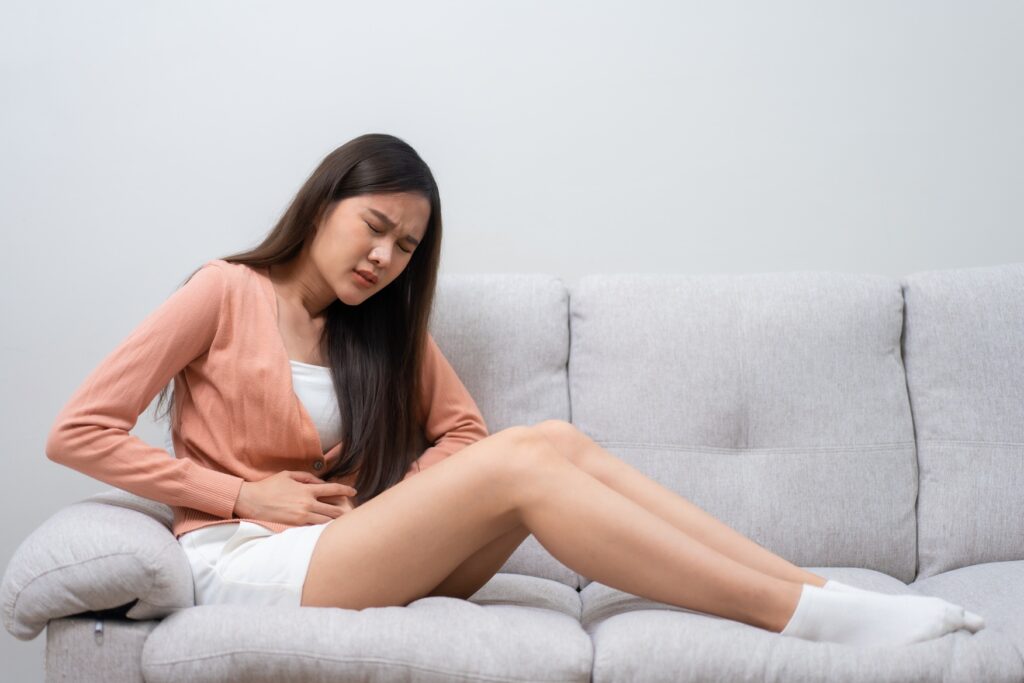
Persistent vomiting and abdominal pain can sometimes point to more than indigestion or a stomach bug. One important thing to watch for is a combination of worsening abdominal pain, swelling, repeated vomiting, and difficulty passing stool or gas, possible warning signs of intestinal blockage that should not be ignored.
When Is Persistent Vomiting and Abdominal Pain No Longer Something You Should Wait Out? Read More »

Many people assume surgery is the only solution for piles, but that’s not always the case. Depending on your symptoms, the type of piles, and how severe they are, there are several piles treatment options available. A thorough assessment helps determine the approach that is most appropriate for your individual condition.
How Do Surgeons Decide Whether You Need Surgery or a Non-Surgical Treatment for Piles? Read More »

Many people are surprised to learn that obesity can be influenced by factors like hormones, genetics, medical conditions and even sleep, not just diet and exercise. If losing weight has felt harder despite your best efforts, it may be time to understand what your body is trying to tell you.
When Does Weight Loss Stop Being About Willpower and Start Becoming a Medical Condition? Read More »
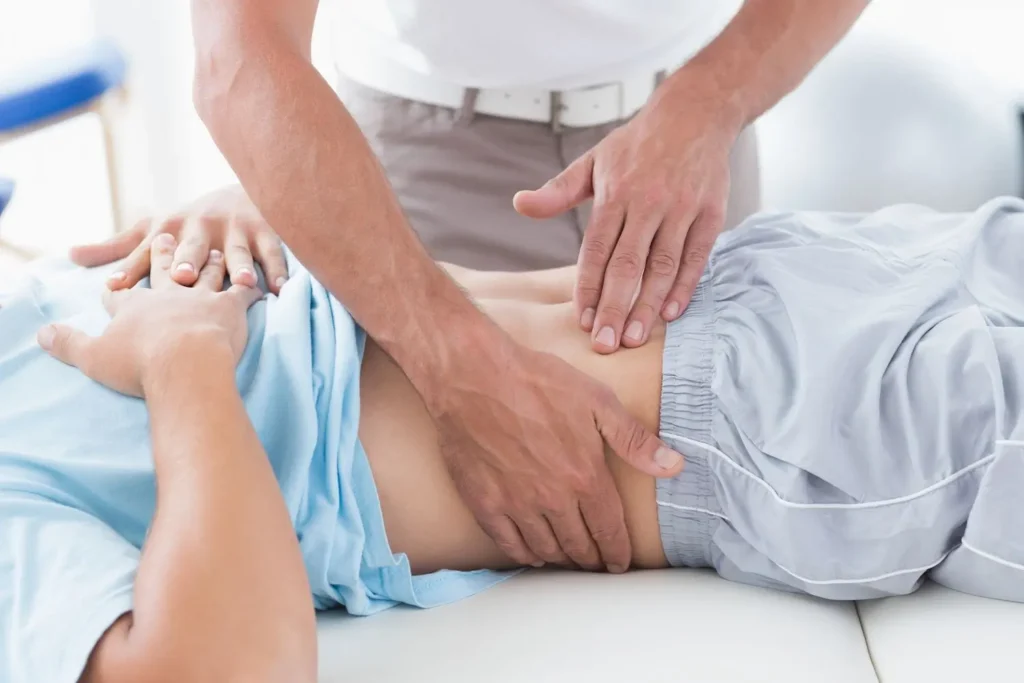
Many people don’t realise that the early signs of appendicitis can feel very similar to food poisoning or indigestion. While digestive issues often improve with time, abdominal pain that becomes more severe or shifts to the lower right side should not be ignored.
Why Do Some People Mistake Appendicitis for Food Poisoning or Indigestion? Read More »

Many people assume a positive faecal occult blood test automatically means colorectal cancer, but that is not always the case. A positive result simply means that traces of blood have been detected in the stool. Conditions such as haemorrhoids, polyps, or other digestive issues can also contribute to this finding.
What Does a Positive Faecal Occult Blood Test Actually Mean? Read More »
An anal fissure may be small, but the area around the anal canal contains many sensitive nerves which is why even a minor tear can lead to sharp pain, burning, and bleeding. Many people delay seeking help, thinking it will simply go away on its own.
Why Does a Small Tear Like an Anal Fissure Cause So Much Pain? Read More »